If you and even your partner are exploring the probability of undergoing in-vitro fertilization (IVF) in Ok, it helps to be able to know exactly what to anticipate — from your current first clinic pay a visit to to embryo transfer and beyond. When each clinic plus patient’s situation will be unique, there is definitely a fairly common process many facilities follow. This informative article walks you step-by-step via what typically occurs during an IVF cycle, the actual schedule looks like, and what you should prepare for — almost all with the aim of helping you feel more informed in addition to ready.
1. Pre-cycle evaluation and planning
Prior to the actual “stimulate-retrieve-transfer” sequence begins, there’s a vital “preparation” stage — one that will sets the period for success.
Healthcare & fertility examination
When you initial meet your male fertility specialist (a reproductive system endocrinologist), you’ll experience a full virility work-up. Typical elements include:
Hormone tests (for example AMH, FSH, LH, estradiol) to assess your ovarian reserve.
Transvaginal ultrasound to assess the ovaries and even uterus (antral follicle count, uterine anatomy).
Semen analysis for the partner.
Contagious disease screening, innate testing and various other baseline labs. The particular “typical timeline” for initial testing and even consultation can end up being around 30 days ahead of stimulation begins.
pfcla. com
+2
mayoclinic. org
+2
Discussion posts about your health background (past pregnancies, surgeries, uterine issues), way of life, age and anticipations.
Strategy meeting and even protocol selection
According to your results, a medical expert will recommend a great IVF protocol focused on you — at the. g., the type of ovarian activation, whether there could be must for special approaches (such as ICSI or PGT), whether a fresh embryo move or freeze-all cycle is better, and so on. Some clinics may request you to start birth-control pills or a short suppression level to synchronize the cycle before stimulation begins.
ohsu. edu
+1
Practical and emotional preparation
This specific includes:
Understanding costs, timeline, medications, supervising schedule.
Planning for time off work (for retrieval and probably transfer).
Arranging help (drive home following retrieval, childcare in the event that needed).
Emotional prep — IVF is usually physically, financially plus mentally demanding; several clinics recommend guidance or organizations.
a couple of. Ovarian stimulation (10-14 days)
Once your current baseline is placed and even the protocol begins, you enter typically the active stimulation stage. The goal: fully developed multiple eggs instead than just the only egg you’d usually ovulate.
Daily injection therapy and monitoring
You’ll receive daily (or alternate day) injection therapy of gonadotropins (FSH, sometimes LH) to stimulate the ovaries to develop numerous follicles. Simultaneously, you’ll have frequent tracking: bloodwork (hormone levels) and transvaginal ultrasounds to track hair follicle growth and identify if they are mature enough.
urmc. rochester. edu
+1
Trigger chance and timing
Whenever the lead follicles reach an over all size your doctor is comfortable with, a person receive a “trigger” injection (often hCG or a GnRH agonist) to result in final egg growth. Then your retrieval is scheduled shortly right after (commonly ~34-36 several hours post trigger).
urmc. rochester. edu
+1
What you should assume
Frequent medical clinic visits (every 1-3 days) during monitoring.
Some side-effects: bloating, changes in mood, injections, achievable mild ovarian soreness.
Risk of ovarian hyperstimulation syndrome (OHSS) will be low but specific; it’s one cause some clinics pick “freeze all” instead than fresh move.
Emotional ups in addition to downs: hope, panic, watching labs/ultrasound.
Tip for Oklahoma married couples: Since you may visit clinics inside of cities like Ok City or Tulsa, check the watching schedule ahead associated with time (some times may require morning hours visits), and question the clinic if they allow some visits at dish centers or via local labs in order to reduce travel.
3 or more. Egg retrieval (oocyte retrieval) & semen processing
Once the particular trigger has been given and follicles matured, you proceed to the retrieval treatment.
The retrieval method
Under sedation or even light anaesthesia, some sort of vaginal ultrasound probe is used to be able to guide a fine needle through the genital wall into each ovarian follicle. Typically the follicular fluid (containing eggs) is aspirated and immediately provided to the embryology laboratory. The procedure normally takes 20-30 moments; you’ll recover inside a short stay then go home (with a driver) a similar day.
pfcla. possuindo
+1
Ejaculation collection/preparation
On the particular same day the particular eggs are recovered, the partner provides a semen structure (or frozen/donor ejaculation will be thawed). Invisalign processes this to pick the finest sperm for fertilisation.
Post-retrieval care
You’ll be asked in order to rest for 24 hours, avoid vigorous exercise/intercourse for a few days and nights, and watch for almost any signs of issues (pain, heavy bleeding, fever). Some mild cramping or picking out is usual.
CCRM Fertility
4. Fertilisation and even embryo culture
Now the lab-work commences behind the scenes to turn your eggs + sperm into embryos ready for shift or freezing.
Fertilisation methods
Conventional insemination: eggs and sperm are placed jointly and allowed to be able to fertilise naturally on the dish.
Intracytoplasmic sperm injection (ICSI): a single sperm is injected straight into each adult egg — used often when semen quality is minimal or in cases of prior fertilisation failure.
CCRM Fertility
+1
Approximately 16-18 hours following fertilisation attempt, the particular lab checks which often eggs have fertilised (now called zygotes).
CCRM Fertility
Embryo culture and analysis
Over the following few days (typically 3 or more to 5 days, sometimes up in order to day 6 or even 7), the embryos are grown inside of incubators and monitored for quality, mobile number, fragmentation, symmetry, blastocyst formation. With around day 5 (blastocyst stage) classic embryo transfer is usually often performed because embryos have higher implantation potential.
urmc. rochester. edu
+1
Some clinics offer pre-implantation genetic screening (PGT) on embryos — this brings days for effects and may mean freezing the embryos before transfer.
Selection point: fresh vs frosty
Based on how you reply, the embryo top quality, and your health status (e. g., likelihood of OHSS), the particular clinic may suggest:
Fresh embryo transfer within the same period, or perhaps
Freeze most embryos and plan a subsequent iced embryo transfer (FET) inside a later routine when your hormone degrees have normalized.
five. Embryo transfer & “two-week wait”
This particular is the instant most of the treatment has been leading up to: positioning one or more embryos into the uterus.
The exchange procedure
Around the slated day (often day time 3, day five or sometimes day time 6), the best one particular or two embryos (depending on grow older, quality, doctor’s recommendation) are selected intended for transfer. A very soft catheter loaded with the embryo(s) is guided through the cervix into the uterine cavity under ultrasound guidance. The process is quick and even generally well tolerated without anaesthesia.
NYU Langone Health
Hospitals strongly encourage single-embryo transfer (SET) when possible to reduce likelihood of multiples.
NYU Langone Health
Post-transfer time period
After move, you’ll be questioned to:
Rest for a short while (often 30-60 minutes) at the particular clinic.
Avoid heavy lifting, intense exercising, intercourse (varies by simply clinic) stay.
Hang on for ~10-14 days and nights before a pregnant state blood test (hCG) can reliably reveal success. Some treatment centers call this “the two-week wait. ”
piedmont. org
Handling emotions
This will be a highly mental phase: hope, stress, fear of frustrating results. Many hospitals recommend counselling or even peer support at this point.
6. What occurs following your pregnancy test
If the check is positive
The clinic may schedule further monitoring (ultrasounds, hormone tests) to confirm viable pregnancy and rule out earlier complications (e. grams., ectopic pregnancy).
Your care may transition to your obstetrician (OB-GYN) once viability is definitely confirmed and implantation is stable.
When the test is definitely negative
You will meet up with with your sperm count doctor to evaluation so what happened: number regarding eggs retrieved, fertilisation rate, embryo high quality, transfer outcome.
A new decision will end up being made whether in order to attempt a fresh exchange (if frozen embryos remain), plan the new stimulation spiral, or explore alternate options (donor ovum, adoption, etc).
Emotional support is key — many people find this phase difficult.
7. Fb timeline summary for Oklahoma young couples
Here’s the rough timeline you might expect:
Weeks-4 to 0: Initial testing, consultation, standard protocol planning.
Day a single (of cycle): Base ultrasound/labs, possibly start out of suppression or even birth-control pills.
~Days 2–14: Ovarian stimulation with frequent supervising.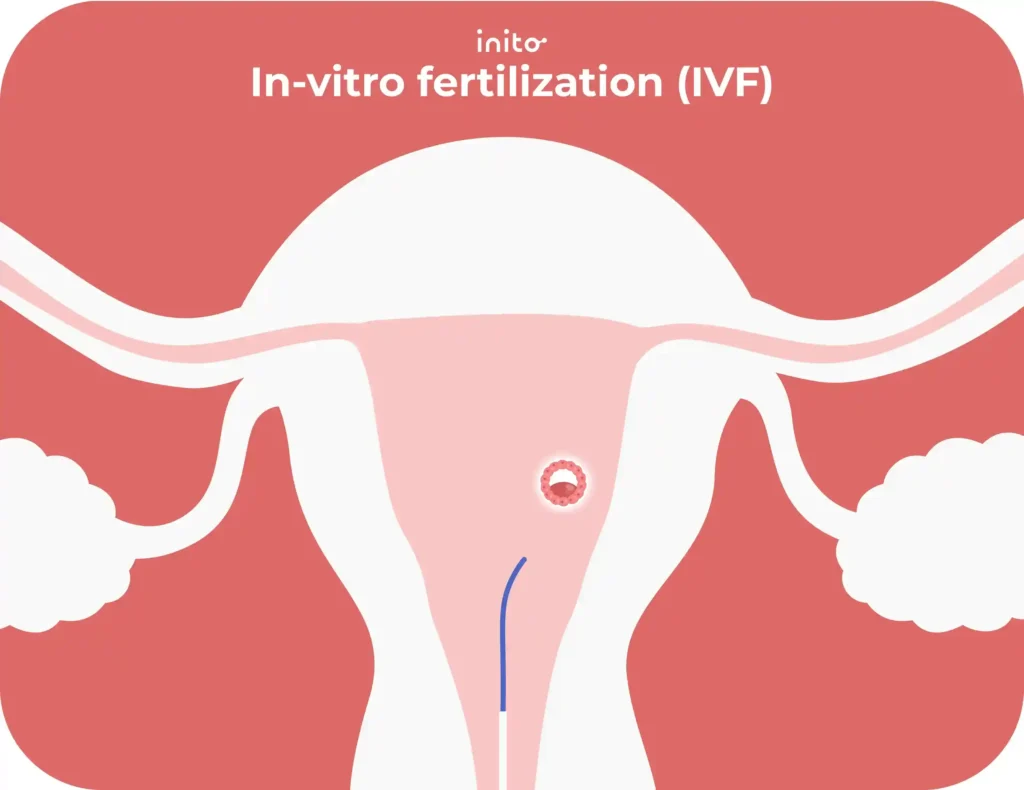
Day ~14/15: Bring about injection → Egg cell retrieval ~34-36 hrs later.
Days 0-5 post retrieval: Fertilisation & embryo culture.
Day ~3 or ~5 post retrieval: Embryo transfer.
~10-14 days later: Pregnant state test.
Month+ onward: If pregnancy, move to obstetric care; if not, plan next steps.
mayoclinic. org
+1
For many clinics inside Oklahoma, travel strategies (if you reside outdoors major metro areas) are important: multiple monitoring visits may require time off or perhaps local arrangements. Asking the clinic concerning options for local monitoring may ease the particular burden.
8. Specific considerations for Ok couples
Clinic selection: Oklahoma has various fertility clinics (in Oklahoma City, Tulsa and other regions). Whenever you select some sort of clinic, ask about their very own embryology lab accreditation (CAP/SART), success statistics (age-stratified), and how numerous cycles they also have per year.
Travel & monitoring: If a person live rural or outside a main city, cover the frequent monitoring trips during stimulation. Several clinics may organize with satellite labs.
Web Site & insurance: While this content focuses on approach, remember that throughout Oklahoma there will be no broad require requiring insurance to hide IVF (though sperm count preservation for tumor patients may get covered). So take a look at your finances and ask the medical clinic for a total quote.
Finance & logistics: From treating medications, to monitoring visits, to collection, to embryo service fees — costs plus scheduling can fluctuate. Ask for a good itemised estimate plus timeline.
Support network: Given that treatment could span a 30 days (or more if including pre-cycle work), ensure you possess logistical and mental support. Rural lovers especially may want to coordinate accommodations, transport, and time away from operate.
9. Tips regarding a smoother IVF cycle
Follow your clinic’s instructions specifically. Timing of medications, injections, ultrasounds plus lab work issues a lot.
Retain a cycle record. Record medication doasage amounts, unwanted side effects, dates associated with monitoring, your thoughts. This helps you feel more in handle and enables very clear communication with your current team.
Communicate freely with your medical doctor. If you’re fatigued, anxious, or have questions about the particular protocol, ask.
Maintain healthy lifestyle behavior. Good sleep, balanced diet, moderate exercise (as advised), and minimizing stress support support your physique through the process.
Get ready for multiple cases. Understand that 1 cycle may not really succeed, that icy embryos may end up being used, and that contingency planning (budget, emotional) is clever.
Use local-friendly strategies. If you’re outside a major city, ask about community labs, remote check-ins, or scheduling in order to reduce travel problem.
10. Conclusions
Typically the IVF journey can easily feel complex, technical and emotionally intense — but comprehending the process step by step can demystify that and help you feel more well prepared. For couples inside Oklahoma, it is crucial to choose a relied on clinic, ask clear questions, plan economically and logistically regarding the monitoring period, and enlist the two medical and emotional support.
As a person embark on this route, remember: you are not alone, and lots of resources exist — your clinic’s fertility counsellor, support teams, online forums, plus your partner and even family. Each routine is unique, yet being well educated gives you more control and peace regarding mind.
